

The World Bank Group
2,758,792 followers
May 25, 2026
Plus: what oil shocks, shrinking aid, and biodiversity mean for the future of growth.
This week, we begin with a striking number: carbon pricing generated more than $107 billion in 2025, according to our new State and Trends of Carbon Pricing 2026. As carbon pricing systems expand worldwide, our experts examine what these trends mean for sustainable development financing, investment, and growth.
Growth is also our focus across the Middle East, North Africa, Afghanistan, and Pakistan, where a rapidly expanding workforce is intensifying the urgency of private sector job creation. At the same time, oil price volatility and shrinking aid flows are testing governments’ ability to protect the investments that sustain jobs, resilience, and economic opportunity.
And to mark the International Day for Biological Diversity, we make the case for viewing nature not as separate from technology, but as foundational to it—because it powers sectors from agriculture and energy to tourism and manufacturing. We also invite you to tune in to the latest Talking Development episode, in which Christine Lagarde reminds us that advancing women’s economic participation is not only about equity—it’s a driver of productivity and long-term growth.

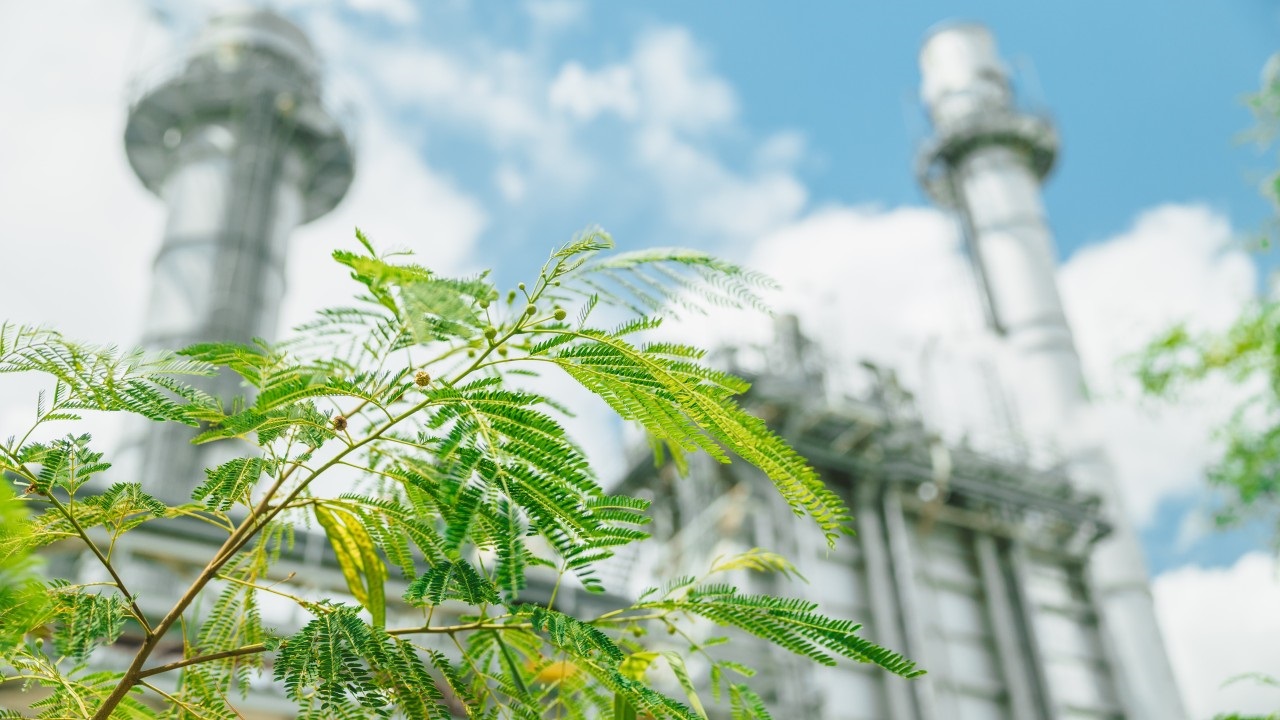
Carbon Pricing Generates $107 Billion for Public Investment. Governments raised more than $107 billion from carbon pricing in 2025, with revenues tripling over the past decade. Our new State and Trends of Carbon Pricing 2026 report analyzes 87 carbon pricing systems and finds that all large middle-income economies now either operate—or are planning—direct carbon pricing instruments to support climate and development goals.

Nature Powers Economies More Than We Think. Nature is often treated as separate from technology—but healthy forests, water systems, soils, and oceans are foundational infrastructure for economic growth. In developing countries, investing in natural capital can strengthen agriculture, energy, health, tourism, and manufacturing—creating jobs, resilience, and long-term growth.

3 Paths to Job Creation in Regions that Need it Most. The working-age population across the Middle East, North Africa, Afghanistan, and Pakistan could grow by 220 million people in the coming decades—making private sector job creation an urgent priority. Explore three paths to faster job creation: stronger infrastructure, more business-friendly policies, and investment support that helps attract private capital.

How to Protect Investments During the Oil Price Crisis. As oil price volatility returns, governments face growing pressure to safeguard the investments that support growth, jobs, and long-term resilience. Our experts explain how countries can strengthen energy and climate security while navigating global shocks.

Shrinking Aid Means More Self-Reliance for Kenya’s Most Vulnerable. As humanitarian aid declines, refugees and host communities in Kenya face growing economic pressure—making jobs and mobility increasingly important. A new approach focused on integration, work permits, and economic opportunity aims to help communities build greater long-term self-reliance.
WATCH AND LISTEN
Christine Lagarde: “Life is a Race for Women.” Equal opportunity for women isn’t only a matter of fairness—it’s an economic growth strategy. In this episode of Talking Development, World Bank Managing Director Anna Bjerde and European Central Bank President Christine Lagarde discuss how expanding women’s economic participation can strengthen productivity, resilience, and long-term growth.
IN THE NEWS
✔️ World Bank Group to Double Guarantees for Africa to Catalyze Investment, Create Jobs
✔️ World Bank Supports Energy Transition and Job Creation in Brazil’s Northeast Region