

The World Bank Group
2,756,366 followers
May 4, 2026
Commodity prices up 16%. Energy up 24%. The poorest will feel it most.
The war in the Middle East is sending shockwaves through the global economy, affecting everything from international energy markets to your weekly grocery bill.
Global commodity prices are expected to rise 16 percent this year, according to our just-released Commodity Markets Outlook—and energy prices may surge by 24 percent, their highest level since Russia’s invasion of Ukraine in 2022. As Chief Economist Indermit Gill warns: “The poorest people, who spend the highest share of their income on food and fuels, will be hit the hardest.”
As we explore these significant developments, we also highlight what’s going right—like our efforts to:
- Expand electricity access across Sub-Saharan Africa—a key step toward creating jobs and attracting investment.
- Deliver high-speed broadband to thousands of public institutions in remote areas of the Kyrgyz Republic.
- Strengthen air quality management in Egypt so that officials can act before pollution becomes a crisis.
The world economy may be volatile, but our work continues—and it’s making a difference.

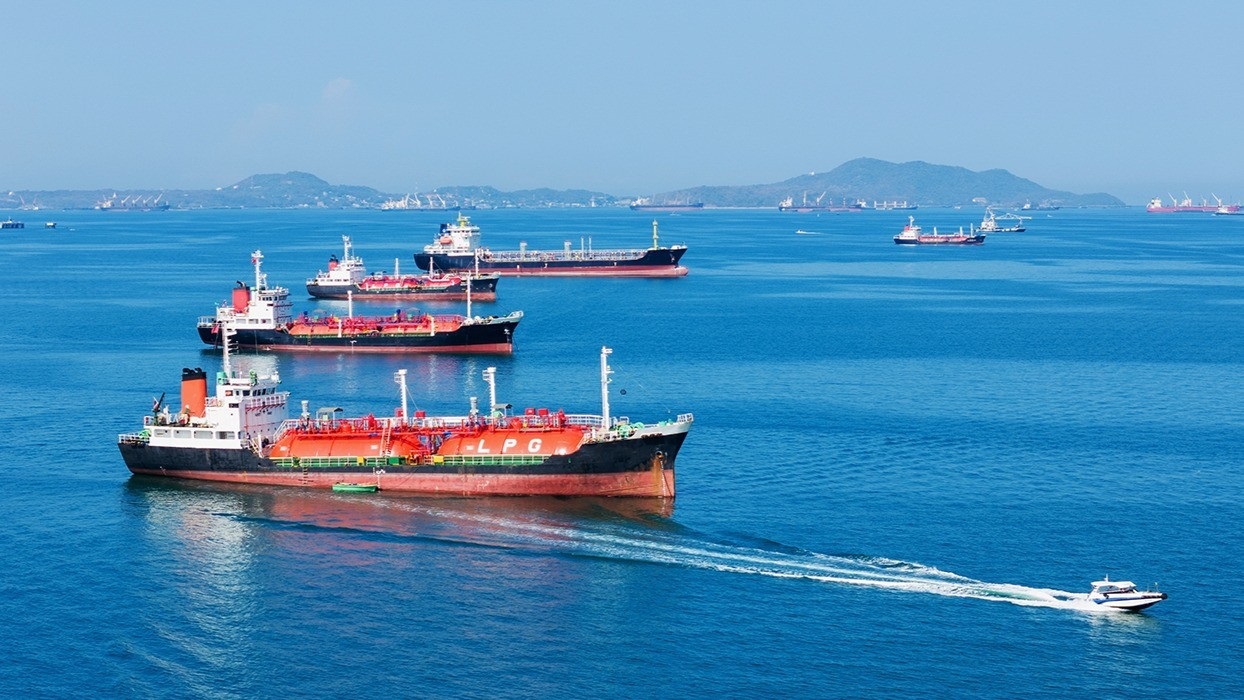
Commodity Prices Are Rising Fast—With Big Risks for Growth. Global commodity prices are set to rise 16% this year, with energy potentially surging 24% as the war in the Middle East disrupts markets. The consequences go beyond inflation: slower growth, tighter budgets, and fewer jobs—especially in the world’s poorest countries. As Chief Economist Indermit Gill warns, “The poorest people…will be hit the hardest.” The latest Commodity Markets Outlook unpacks the risks for developing economies.
EDITOR’S PICK

Powering Jobs Through Electricity Access in Africa. Access to reliable electricity is key to unlocking jobs across Sub-Saharan Africa. Through Mission 300 and its country-led energy compacts and investment programs, we aim to connect 300 million people by 2030. Track our goals in the Progress Portal to see how capital is being mobilized and how reforms are taking shape.

12% More Jobs, 18% More Sales: The Case for Formal Credit. Formal bank loans deliver a 12% increase in employment, 18% more sales, and 18% higher profits for small businesses—far outperforming microfinance, according to a new World Bank study drawing on 24 impact evaluations worldwide. Our experts break down three key lessons, including why public lenders consistently outperform private banks in driving job growth.

Broadband Access Transforms Rural Life Across the Kyrgyz Republic. High-speed internet is reaching the Kyrgyz Republic’s most remote communities—and changing what’s possible. Backed by IDA, the project has laid 3,000 kilometers of fiber optic lines, connected schools and clinics, and introduced a Government Cloud—narrowing the gap between rural and urban life while creating new economic opportunities.

How Egypt Is Getting Ahead of Air Pollution. Every year, Greater Cairo disappears under a “Black Cloud” of smog—but in 2025, burning incidents fell by nearly two-thirds and air pollution hit its lowest level in five years. A World Bank-supported project is helping Egypt move from crisis response to prevention, with measurable results.
WATCH AND LISTEN
Small AI, Big Impact for Local Communities. The next frontier for AI isn’t just more powerful—it’s more accessible. New tools that run on everyday devices, support local languages, and work in low-connectivity environments are helping entrepreneurs, farmers, and workers in emerging markets grow businesses and create jobs. See how small AI is driving big results across emerging markets.