
UNESCO
2,548,918 followers
May 12, 2026
This month’s Snapshots showcases UNESCO’s commitment and tangible results in the face of current challenges. At a time of renewed threats against journalists, the awarding of the UNESCO/Guillermo Cano World Press Freedom Prize stands as a powerful reminder of the importance of defending press freedom everywhere. Our latest report, ‘People and Nature’, highlights how UNESCO-designated sites serve as vital lifelines for biodiversity, delivering tangible benefits for communities around the world.
These stories speak to both the challenges we face and the solutions within reach. From Jamaica to Ukraine, from Kenya to Small Island Developing States, collective action and partnerships are making a difference. Explore, be inspired, and join us in advancing ideas that drive meaningful impact worldwide #ForThePeople.
You can access the web version of this newsletter here.
Spotlight on Press Freedom
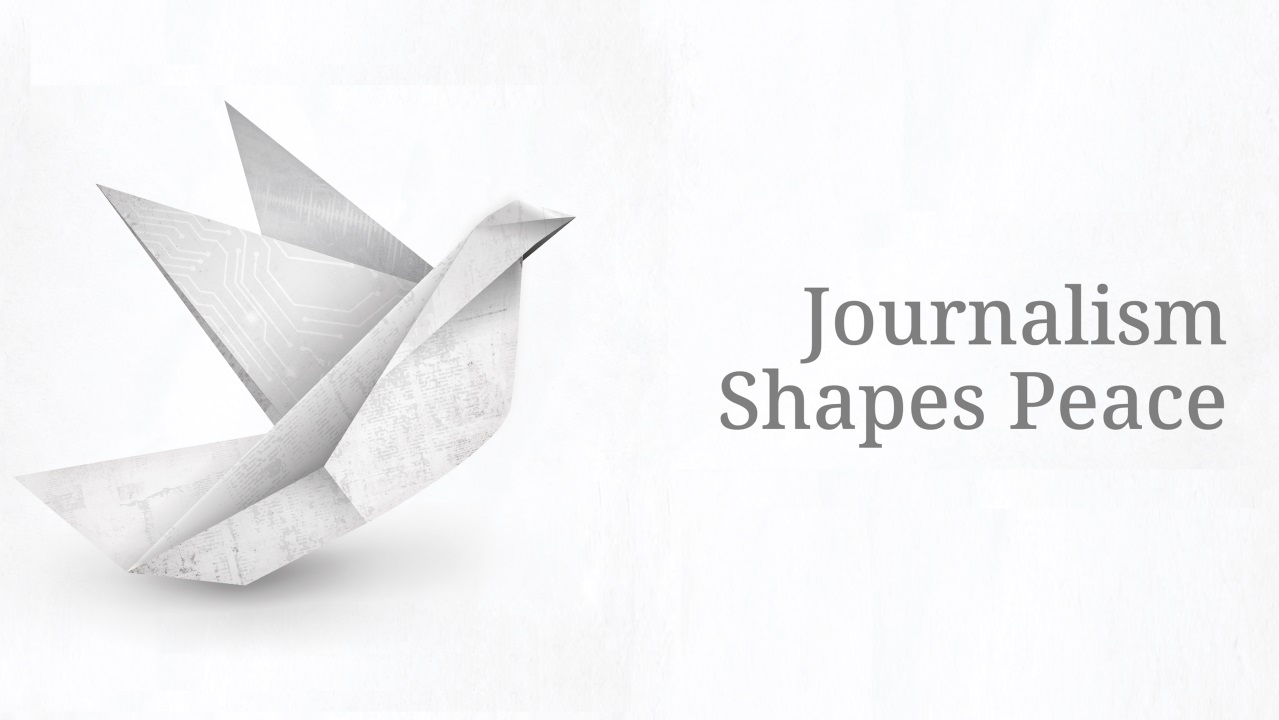
Attacks on journalists and journalism are proliferating across the world. UNESCO’s most recent report on global trends in freedom of expression, reveals a 10% decline in freedom of expression worldwide since 2012. On the occasion of World Press Freedom Day (3 May), UNESCO spearheaded a global campaign to raise awareness of the role that journalism plays in shaping peace, in partnership with media outlets across the globe, including Dow Jones, The Globe and Mail, The Guardian, The New York Times, Financial Times, Le Monde, El País, Libération, Helsingin Sanomat and Deutsche Welle, among others.
UNESCO also announced the Sudanese Journalists Syndicate as the laureate of the UNESCO/Guillermo Cano World Press Freedom Prize, in recognition of the role the collective has played in condemning the deliberate targeting of journalists in the ongoing conflict in the country.
Against this backdrop, our work continues. In recent years, UNESCO has trained tens of thousands of journalists on how to stay safe, cover elections and ensure information integrity. Judges, prosecutors, police officers, military personnel and media organisations have also benefited from our programmes, tools and funds.
The people we serve know the importance of our work and the need to support vital platforms such as the Global Media Defence Fund, the Multi-Donor Programme on Freedom of Expression and the Global Initiative for Information Integrity on Climate Change, among other initiatives.
Delivering for the people
Small Island Developing States: UNESCO helps communities prepare for and recover from emergencies.
For Small Island Developing States, from the Pacific to the Caribbean and beyond, living heritage is more than a link to the past – it is a vital resource for navigating an uncertain future. These nations face unique and intensifying challenges that include exposure to rising sea levels, extreme weather events and environmental change, which place them among the most vulnerable to global crises. Read more

Ukraine: UNESCO ensures access to safe water in schools and communities in Mykolaiv.
Access to clean and safe drinking water is a fundamental human right. Since the beginning of the war, vital water infrastructure in many parts of Ukraine has been damaged or rendered dysfunctional. These disruptions have compromised water quality and increased the risk of microbiological and chemical contamination. Read more

Kenya: UNESCO redefines cultural heritage and authenticity with African heritage professionals.
In May 2025, UNESCO’s International Conference on Cultural Heritage in Africa brought together 54 countries and global experts to engage a dialogue on the concept of heritage authenticity, issues around community engagement, and sustainable development in cultural heritage conservation. Read more

UNESCO’s operations in emergencies
Middle East: UNESCO strengthens cultural emergency preparedness and response
Jamaica: UNESCO promotes the Disability-Inclusive Disaster Risk Management Roadmap

Working with partners
Sweden
Supported by the Swedish Ministry of Culture, for a total amount of SEK 12 million (about USD 1.3 million), UNESCO-led emergency cultural heritage experts will intervene at the Khortytsia National Reserve in southeastern Ukraine, strengthening efforts to protect sites and collections affected in the context of the ongoing war. Read more

UNESCO and ITU
UNESCO and ITU are embarking on a new era of partnership, strengthening cooperation on emerging technologies, AI governance and connectivity for education. UNESCO is fully committed to ensuring the success of the upcoming AI Dialogue in Geneva in July and to sharing its expertise as the United Nations’ lead agency for science and technology. Read more

Voluntary contributions
The first quarter of 2026 marked a solid start to the biennium for UNESCO, with USD 84.2m mobilized, representing the strongest first-quarter performance since 2022 and an increase of 4.5% compared to Q1 2025. These results reflect sustained partner engagement across UNESCO’s priority areas. Read more

Publication highlight
On 12 May, UNESCO unveils its first Higher education global trends report, drawing on data from nearly 150 countries. The report offers a timely and evidence-based picture of a sector at a crossroads, highlighting shifts in access, equity, funding, digital learning and the academic workforce. It also addresses urgent challenges such as the recognition of foreign qualifications and the barriers faced by refugees and displaced learners.
The Report is launched during an event, organized back-to-back with the closing ceremony of the UNESCO–China Project for higher technical education in Africa.