

The Economist
13,113,656 followers
March 30, 2026
Enjoying this newsletter? Get it in your inbox every weekend, as well as our daily round-up of The Economist’s best journalism, by signing up for free here.
Iran may be getting pummelled on the battlefield, but it is winning the energy war. The Islamic Republic is now earning nearly twice as much from oil sales each day as it did before American and Israeli bombs started falling. Our report goes inside Iran’s wartime oil machine, a complex operation that relies on front companies and shadow banks.
Ahead of China’s next Communist Party congress, Xi Jinping, the country’s ruler, has a firm grip on leadership. But the question of succession is ever present. Mr Xi will be 79 when the party holds its 22nd congress in 2032. Will the 21st give any hint of arrangements for someone to succeed him? Or will it become clearer still that he intends to be ruler for life? Our new piece sets out why his next five-year term could involve some turbulence.
Annie Crabill, Senior digital editor
Editor’s picks

How Iran is making a mint from Donald Trump’s war
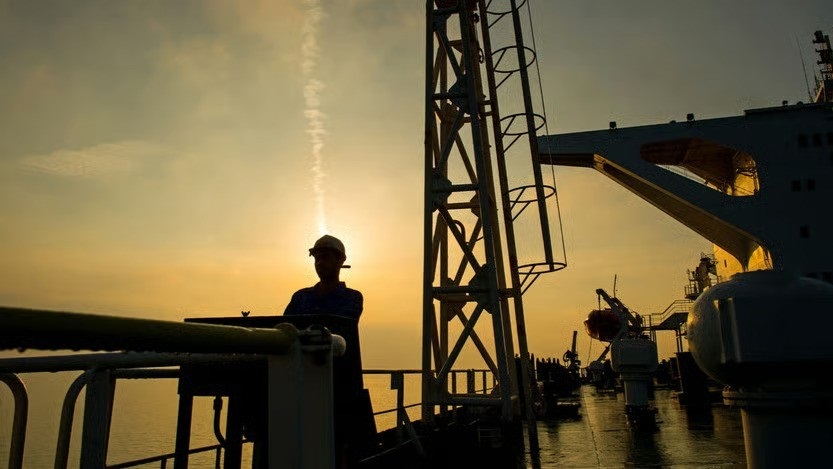
For half a century the Middle East’s petro-monarchies have cast themselves as reliable suppliers of low-cost petroleum. The third Gulf war, now in its fifth week, has shattered that image. With the Strait of Hormuz largely closed, 15% of the world’s oil cannot reach its customers. All Gulf states have slashed output and seen export proceeds plunge.
All bar one. As its tankers keep plying the strait, Iran is now earning nearly twice as much from oil sales each day as it did before American and Israeli bombs started falling on February 28th. It may be pummelled on the battlefield, but the regime is winning the energy war.

The Houthis’ attack on Israel heralds escalation of the Iran war
In a war in which tens of thousands of bombs have been dropped across the Middle East, killing perhaps thousands of civilians, the latest strike may have seemed trivial: a single rocket, intercepted mid-flight, harming no one. Yet the launch on March 28th of the first missiles towards southern Israel by Yemen’s Houthi militia since the start of the Iran war could herald the opening of a new front—with far-reaching consequences for the global economy. If the Houthis target shipping in the Red Sea while the Strait of Hormuz remains closed, oil prices could surge further. The economic cost of the war may become high enough for America to abandon it.

China’s leadership is about to be shaken up
After a dramatic recent purge of China’s generals, the country’s ruler, Xi Jinping, faces another stressful task. A five-yearly churn of leadership posts from bottom to top has begun: hundreds of thousands of jobs in the Communist Party and in the state’s apparatus will change hands. The gigantic reshuffle, which reaches its climax at the 21st party congress late next year, will fuel anxiety among China’s already twitchy military and political elites.
One man’s place, however, is safe.
Most read by subscribers