

Entrepreneur Media
2,232,096 followers
February 26, 2026
You could say that Bill Gurley is pretty good at what he does. The legendary venture capitalist and general partner at Benchmark has a track record of investing and serving on the boards of now-iconic companies like Uber, Zillow, OpenTable and Nextdoor.
Bill loves what he does, and like most successful people, is endlessly curious and driven to get better. To that end, he spent a decade researching what separates people who thrive in their careers from those who end up with regret, and wrote about it in his new book, Runnin’ Down a Dream. The book identifies six principles for building a career you’ll actually love, and I’ve broken down his best advice to help you steer your career where you want it to go in three, two, one.
– By Dan Bova
Three Key Insights
1. The regrets that haunt you are the things you didn’t try
Bill hit me with a stat that immediately hits as true and terrifying: Nearly six in ten people say they would do things differently if they could start their careers over. That’s what he says is the trap of career regret. But here’s the thing — Bill says that it’s not our mistakes that weigh on us most. Referencing author Daniel Pink‘s research, Bill explained, “The regrets that hang heaviest on people are the what he calls boldness regrets or regrets of inaction,” Bill explained. “And as we get older, it’s the thing we didn’t do that really weighs on our psyche.” Bill points to Jeff Bezos’s “regret minimization framework” — imagine yourself at 80 and ask if there’s something you’ll wish you had tried. Because it is never too late to do it, he says, pointing to the example of Bert “Tito” Beverage, who created Tito’s Vodka after having careers as a seismologist and mortgage broker.
Takeaway: If you’re holding back on something because you’re afraid of failing, flip the question: Will you regret not trying?
2. Find mentors in two tiers (and stop waiting for Warren Buffett)
When I asked Bill about mentorship, he immediately broke it down into what actually works versus what we fantasize about. “I try to divide it into two places because I think immediately people think they want their mentor to be Warren Buffett and that’s not realistic,” he said. He suggests you create “aspirational mentors” and “pragmatic mentors.” For aspirational ones, study the greats in your field through YouTube videos, podcasts, and their writing—you can learn a lot without ever meeting them. For pragmatic mentors, “find people two tiers down from the greats that no one ever calls. They’ll be flattered if you’re studying them. You might be surprised — 40% of them might say okay.” Different mentors can help with different skills—leadership from one, tactical advice from another. You don’t need one all-knowing Yoda.
Takeaway: Make a list of five people in your field who are successful but accessible, study their work, then reach out with a specific question about what they know that you don’t.
3. If you don’t love it enough to learn on your own time, it’s not your dream job
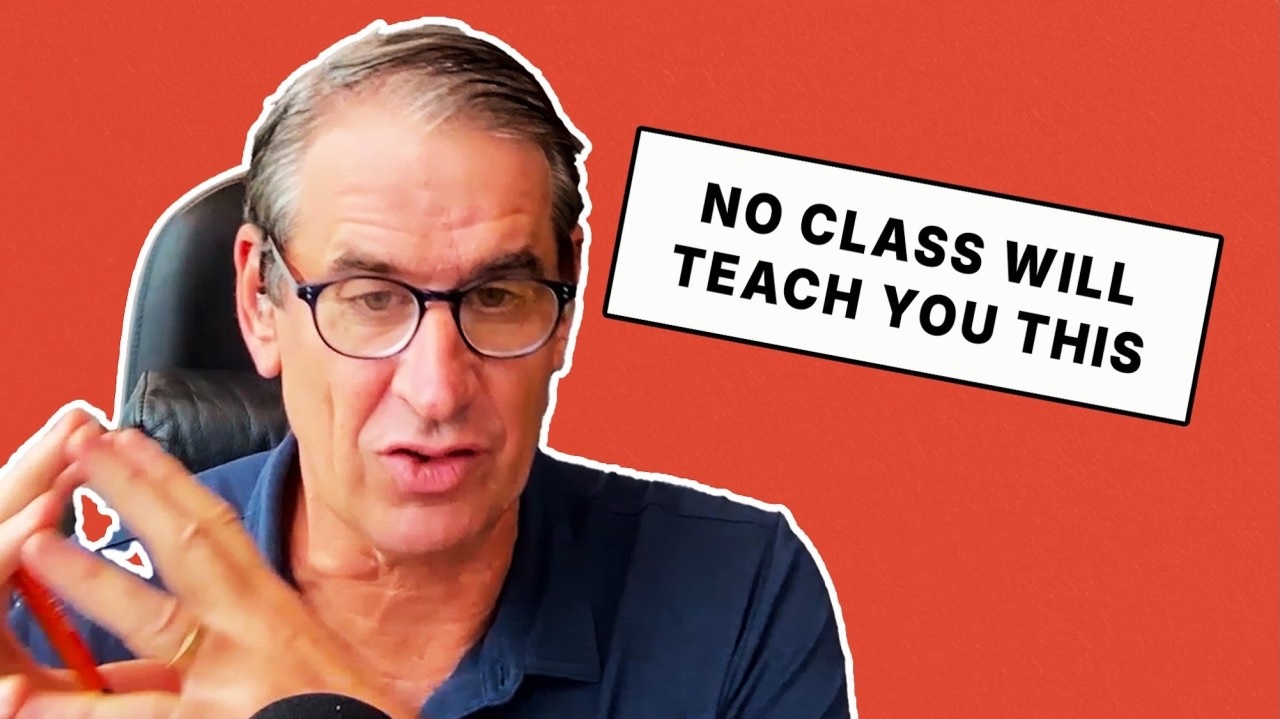
Bill says the most successful people never stop learning their craft. “I call it external learning. They’re spending their spare time getting better at whatever this occupation is,” Bill explained. He compared it to Steph Curry— despite being the greatest three-point shooter of all time, he still practices outside of games. And here’s a signal that you are doing the thing you were meant to do: “If you don’t love it, you’re not going to do that part. I think it’s a great test of whether you’re actually targeted at your dream job is: would you spend your spare time getting better at it or learning more about it?” This ties back to his first principle in the book: Chase your curiosity. You can’t sustain obsessive learning about something you only sort of like.
Takeaway: Ask yourself honestly: Am I voluntarily reading, watching, or learning about my field when I don’t have to? If not, you might be in the wrong field.
See the full list of principles in this exclusive Q&A with Bill
Two ways to learn more
- Follow Bill at @BGurley on X where he’s pretty prolific about sharing ideas. And grab Runnin’ Down a Dream that came out yesterday.
- Haunted by a business decision? You’re not alone. Read this deep dive on the 6 most common patterns in career regrets, and how to move forward.
One question to ponder
Bill talked about how he left a successful Wall Street career to chase his dream of venture capital—a move that terrified him at the time. Here’s my question for you: If you knew you’d be financially okay no matter what, what would you be doing with your career right now that you’re not?
Send your answer to [email protected]. I’ll read the best responses on a future episode!